eprojac · applied work intelligence
Work, made visible.
We build software that turns every kind of work — AI-agent code, desktop actions, business processes and the factory floor — into structured data you can inspect.
eprojac · applied work intelligence
We build software that turns every kind of work — AI-agent code, desktop actions, business processes and the factory floor — into structured data you can inspect.
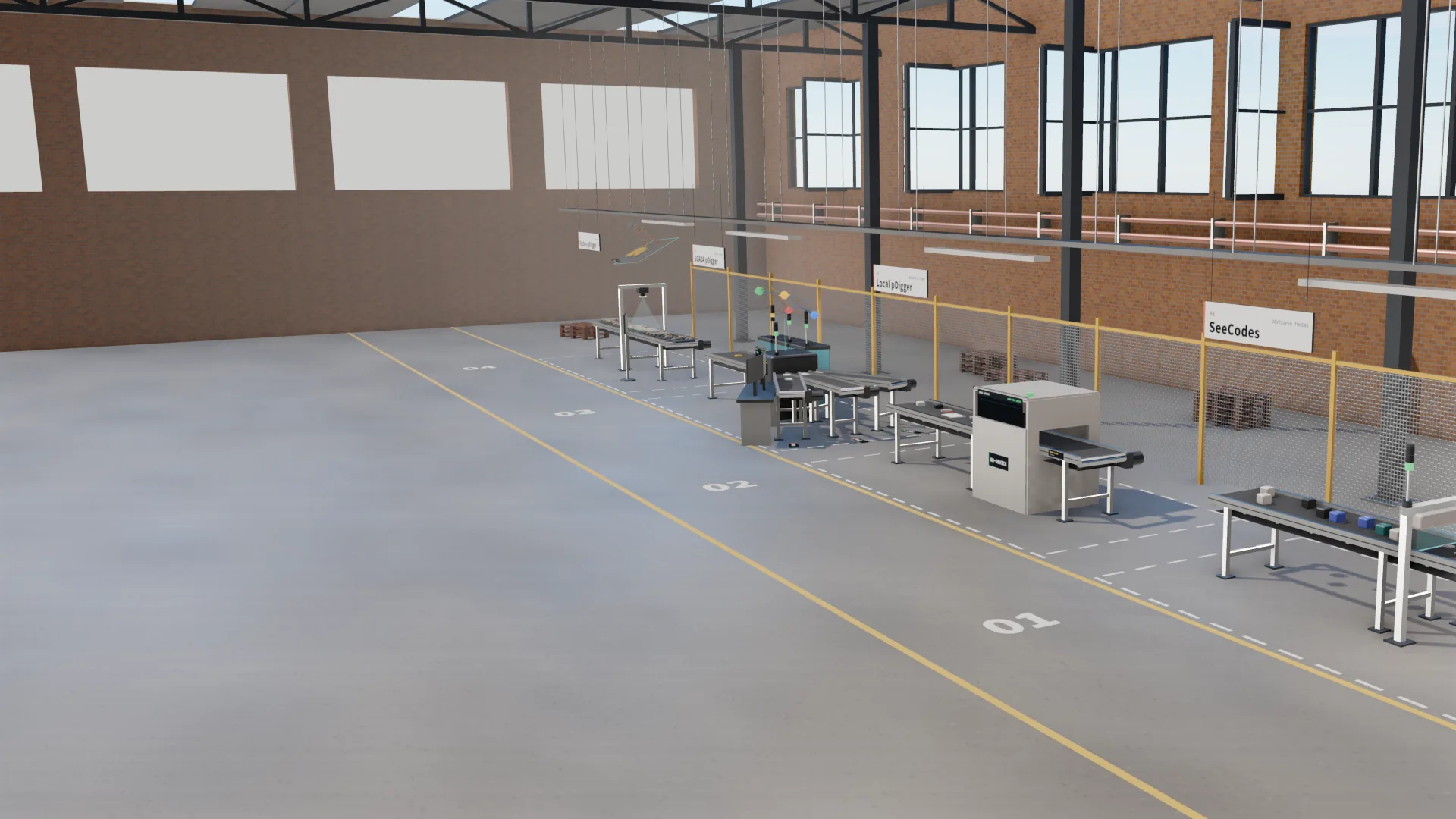
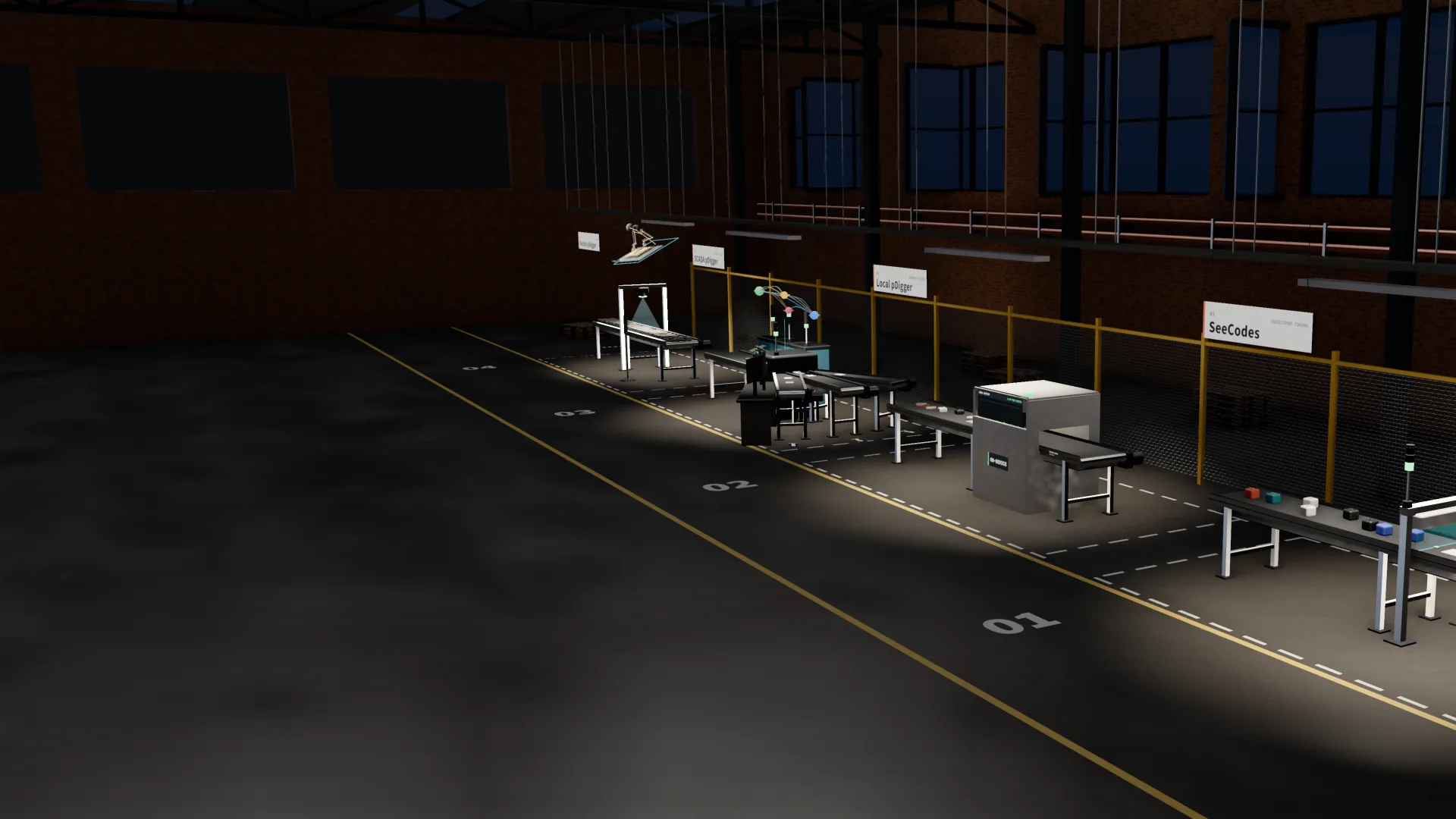
Station 01 · Developer tokens
Unbox AI agent work in real time.
SeeCodes connects Jira Cloud tickets to the AI-agent work happening in VS Code and Cursor. Progress and confidence sync back to the ticket, risk flags surface early, and local checkpoints keep the trail.
seecodes.comStation 02 · Window actions
Your past has answers.
Local pDigger records the work you see on your computer — the app windows you focus on Mac or Windows, the clicks and the keyboard shortcuts — and keeps that history on the device. Ask a question and the answer comes with the moment it came from; repeated work becomes editable skills.
local.pdigger.comStation 03 · Factory states
Process mining from the signals a factory already emits.
Every machine state change — run, idle, set-up, fault — becomes an event. SCADA pDigger mines those events into the process that actually runs: where the time goes, which transitions repeat and where work waits. Demos are shown by invitation.
Request a demoStation 04 · Research
One frame in. Scene data out.
Our single-frame 3D decomposition turns one monocular camera frame into surface orientation, relative depth, people as a body model and skeleton, and individual items — lifted into 3D and packaged as scene data. The hologram above the gantry is simulated in your browser: every tray brings new stones — loose ones of four kinds with a second layer and gaps, or packed pavers like those in our real frames — and a worker gripping one stone while a fingertip rests on another. Each scene shows one stage in turn: frame, surfaces, depth, people or stones. Real frames are on the research page.
Open the decompositionHow we build
Answers link back to the moment they came from. Scene data carries its own honesty flags — relative scale, no invented surfaces.
Local pDigger keeps work history on the device. SeeCodes lets teams choose a US, EU or UK data region. This site sets no cookies at all.
Our research runs on frames from working production cells. People in them are published only as geometry — depth points, a skeleton and a body model — never as image pixels or identities.
Company
A software company registered in England and Wales. We build products for people who want to see how work actually happens — and research the parts that don’t exist yet.